A tow can be routine for a daily driver and still be the moment a valuable vehicle gets damaged. Soft strap towing is designed to reduce that risk by securing a vehicle around its tires rather than relying on chains or metal hooks against sensitive suspension, frame, or body components. For owners of classic cars, luxury vehicles, exotics, motorcycles, and lowered cars, the way a vehicle is loaded and tied down matters as much as getting it picked up quickly.
In Surprise, throughout the West Valley, and on routes such as Loop 303, I-10, US-60, and I-17, breakdowns do not wait for convenient conditions. A professional operator should be ready to respond fast while also choosing a securement method that fits the vehicle in front of them.
What Soft Strap Towing Means
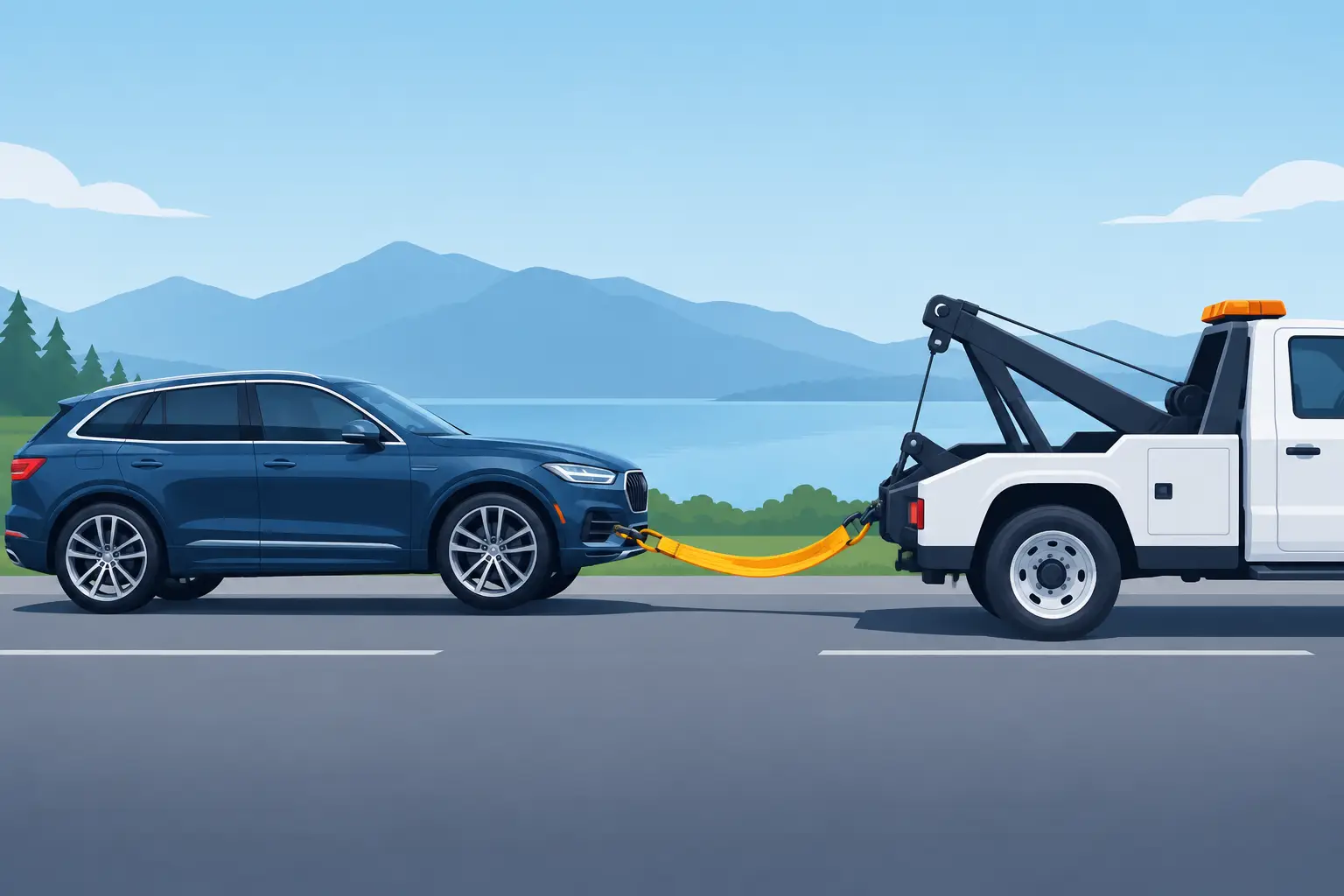
Soft strap towing generally refers to using heavy-duty fabric wheel straps, axle straps where appropriate, and other non-metal contact points to secure a vehicle for transport. On a flatbed, the most common damage-conscious method is wheel-lift securement: straps wrap over or around the tires and anchor to the bed, holding the vehicle in place without placing chain contact on painted, polished, or delicate mechanical parts.
The word “soft” does not mean weak. Proper recovery straps and wheel nets are built for towing loads and used with rated anchor points, ratchets, and tie-down hardware. The benefit is controlled contact. Instead of allowing metal hardware to rub against a wheel, control arm, bumper, or frame rail, the securing force is directed through the tires whenever the vehicle and situation allow it.
That distinction is especially valuable on vehicles with specialty finishes, aftermarket wheels, exposed carbon-fiber components, low front splitters, air suspension, or uncommon underbody layouts. A careful operator assesses the vehicle before touching it, then plans the loading angle, winch line, ramp setup, and securement points.
Why Soft Strap Towing Matters for Specialty Vehicles
A vehicle can arrive at its destination running perfectly and still leave an owner with a costly problem if it was secured carelessly. Scratched wheels, bent suspension components, torn bumper covers, and undercarriage damage can happen when a tow company uses the wrong equipment or rushes the process.
Classic and collector cars often have original components that are difficult to replace. Luxury and exotic vehicles may sit low enough that a standard loading angle creates a real risk of bumper or splitter contact. Modified trucks, hot rods, and off-road vehicles can have nonstandard suspension or steering setups. Even a newer daily driver may need extra care after a collision, flat tire, or mechanical failure has made it unsafe to move normally.
Soft straps are not a cure-all. A vehicle with severe collision damage, a locked wheel, a broken suspension component, or a tire that cannot hold air may require a different approach. In those cases, the operator may use skates, dollies, recovery equipment, or carefully selected frame and axle attachment points. The right answer depends on the condition of the vehicle, not a one-size-fits-all promise.
Tire Securement Helps Preserve Sensitive Components
When the tires are in usable condition, wheel straps keep the vehicle restrained through the part designed to contact the road. This reduces the need to put direct pressure on suspension arms or other mechanical parts. It also helps prevent movement during transport, particularly when the truck encounters freeway transitions, uneven pavement, braking, or Arizona crosswinds.
A quality tie-down process includes more than pulling a strap tight. The operator checks strap placement, protects it from sharp edges, confirms the ratchets are secure, and reinspects the load after the vehicle is positioned. Securement must account for suspension movement, vehicle height, and the route ahead.
Flatbed Transport Adds Another Layer of Protection
For many specialty vehicles, a flatbed is the preferred transport option. Keeping all four tires off the ground avoids mileage accumulation, drivetrain concerns, and the handling limitations of a two-wheel tow. It is also often the better choice for vehicles that cannot be driven safely because of collision damage, overheating, transmission trouble, or a flat tire.
Flatbed capability alone is not enough. Low-clearance cars need a careful approach angle, and some require ramp extensions or loading techniques that prevent contact at the front bumper and underbody. Winching should be slow and controlled, with the proper attachment point identified before tension is applied.
When to Request Soft Strap Towing
If you are calling for a tow, tell the dispatcher what makes your vehicle different. That information lets the operator arrive with the right equipment instead of trying to improvise roadside. It is helpful to mention if the car is lowered, has custom wheels, has all-wheel drive, will not roll, has been in a collision, or needs to be moved from a garage, parking structure, dirt road, or off-road location.
Soft strap towing is a smart request in several common situations:
- Your vehicle is a classic, collector, luxury, exotic, or show vehicle.
- The car has low ground clearance, aftermarket suspension, a front splitter, or side skirts.
- You have polished, painted, oversized, or otherwise valuable wheels.
- The vehicle needs flatbed transport after a breakdown, accident, or mechanical issue.
- You are scheduling transport to a repair shop, dealer, storage location, auction, or event.
Motorcycles also require their own securement approach. Soft loops and purpose-built straps can help protect handlebars, fork components, and paint while keeping the bike upright and stable. The operator must still account for the motorcycle’s weight, balance, tire condition, and available anchor points.
What to Expect From a Careful Tow Operator
A professional tow begins with questions, not assumptions. Before loading, the operator should confirm the vehicle’s condition, identify obvious damage, ask whether there are special handling concerns, and determine whether the keys are available. If the vehicle has an alarm, air suspension, electronic parking brake, or unusual shift procedure, say so before loading begins.
From there, the operator evaluates access and recovery needs. A car stranded on the shoulder of Loop 303 needs a different setup than one sitting safely in a residential driveway in Sun City West. Traffic exposure, road grade, available space, wheel position, and the reason the vehicle stopped all affect the safest plan.
The loading process should be deliberate. The truck is positioned to create the best approach, ramps are set, and the vehicle is winched or driven onto the bed only when it is safe to do so. Once loaded, straps are placed and tensioned correctly, loose ends are managed, and the operator checks that nothing can shift or contact the body during travel.
Pride Transport & Towing uses damage-conscious handling for vehicles that need more than a basic hook-and-go tow. That includes flatbed-capable transport, soft-strap securement, and experienced assessment for low-profile, collector, luxury, and specialty vehicles across the West Valley.
How Owners Can Prepare Their Vehicle for Transport
You do not need to be a towing expert to help protect your vehicle. Remove or secure loose items, keep the key available if possible, and let the operator know about any known mechanical issue. If your car has a special tow hook, manufacturer instructions, or a preferred loading note from a shop, have that information ready.
Take a few photos of the vehicle before transport, especially if it has existing collision damage or valuable custom work. This is not about creating conflict. It gives everyone a clear record of the vehicle’s condition and helps the operator understand areas that need extra attention.
If the vehicle is stored in a tight garage or blocked by another car, explain that during dispatch. A few details up front can prevent delays and help ensure the correct truck and equipment are sent the first time.
The right tow should leave you thinking about the repair or destination ahead, not wondering whether the transport caused a new problem. When your vehicle has value beyond its basic transportation, ask for the loading and securement care it deserves.