A pickup parked in a marked resident space, a car left overnight in a retail lot, or a vehicle blocking a fire lane can create an immediate problem for a property owner. But private property towing rules are not a free pass to remove any vehicle that looks out of place. In Arizona, a lawful tow starts with clear authority, proper notice where required, and a towing company that follows the property’s instructions carefully.
For drivers, the stakes are just as real. Coming back to an empty parking space is stressful, especially when you need to get to work, pick up children, or recover personal items from the vehicle. Knowing what a property owner can do, what signs should tell you, and what steps to take after a tow can prevent a bad situation from becoming worse.
Private Property Towing Rules for Arizona Lots
Private property owners generally have the right to control who parks on their property. That includes apartment communities, shopping centers, hotels, medical offices, warehouses, restaurants, private neighborhoods, and commercial yards. An owner or an authorized agent, such as a property manager, security company, or designated employee, may request removal of a vehicle that is unauthorized or violating posted parking terms.
The key question is authorization. A tow operator should be able to identify who has the authority to request the tow and why the vehicle is being removed. A business employee without permission to manage parking is not necessarily authorized to have a vehicle towed. Likewise, a disagreement between neighbors or tenants does not automatically give one person the right to order removal of another person’s vehicle.
Common reasons for a private-property tow include parking in a reserved or accessible space without authorization, blocking a driveway or loading area, parking in a fire lane, occupying a tenant-assigned space, leaving a disabled or unregistered vehicle where the property rules prohibit it, or remaining after posted customer parking hours.
A vehicle does not have to be abandoned to be towed from private property. Unauthorized parking can be enough when the property’s rules, signage, lease terms, or access controls make the restriction clear. The details matter, though. A tenant’s assigned-space dispute, for example, may require the manager to confirm the parking assignment before authorizing removal.
Signs, Notices, and Parking Agreements
Conspicuous parking signs are one of the strongest ways to prevent disputes. They tell drivers that the lot is private, identify restrictions, and may warn that unauthorized vehicles can be towed at the owner’s expense. Arizona cities and counties may have their own requirements for sign placement, wording, towing-company information, or visibility. A property owner should check the rules that apply where the property is located rather than assuming one sign format works everywhere.
What a useful towing sign should communicate
A clear sign should be readable before a driver parks, not hidden behind landscaping, faded by the sun, or placed where it can only be seen after entering a lot. It should identify who is allowed to park, state the applicable restrictions, and explain that unauthorized vehicles may be removed. When local rules require towing-company contact details, those details should be current and easy to read.
Apartment communities often need more than a sign. Lease language, parking addenda, resident permits, guest passes, assigned-space maps, and written warnings can all help establish the rules. A property manager should apply those rules consistently. Towing one resident for an expired tag while allowing the same condition throughout the property invites conflict and may undermine the purpose of the parking policy.
Retail and commercial lots have a different challenge. Customer parking needs to remain available without creating a hostile experience for legitimate visitors. A business may choose a warning-first approach for overnight parking or employee violations, while treating fire lanes, blocked access points, and disabled spaces as immediate safety concerns. There is no single approach that fits every lot.
How a Proper Private-Property Tow Should Happen
A professional tow begins before the truck arrives. The property representative identifies the vehicle, confirms the violation, and provides the towing company with a clear request. Photos of the vehicle, plate, space number, posted sign, and condition of the vehicle can protect everyone if the tow is later questioned.
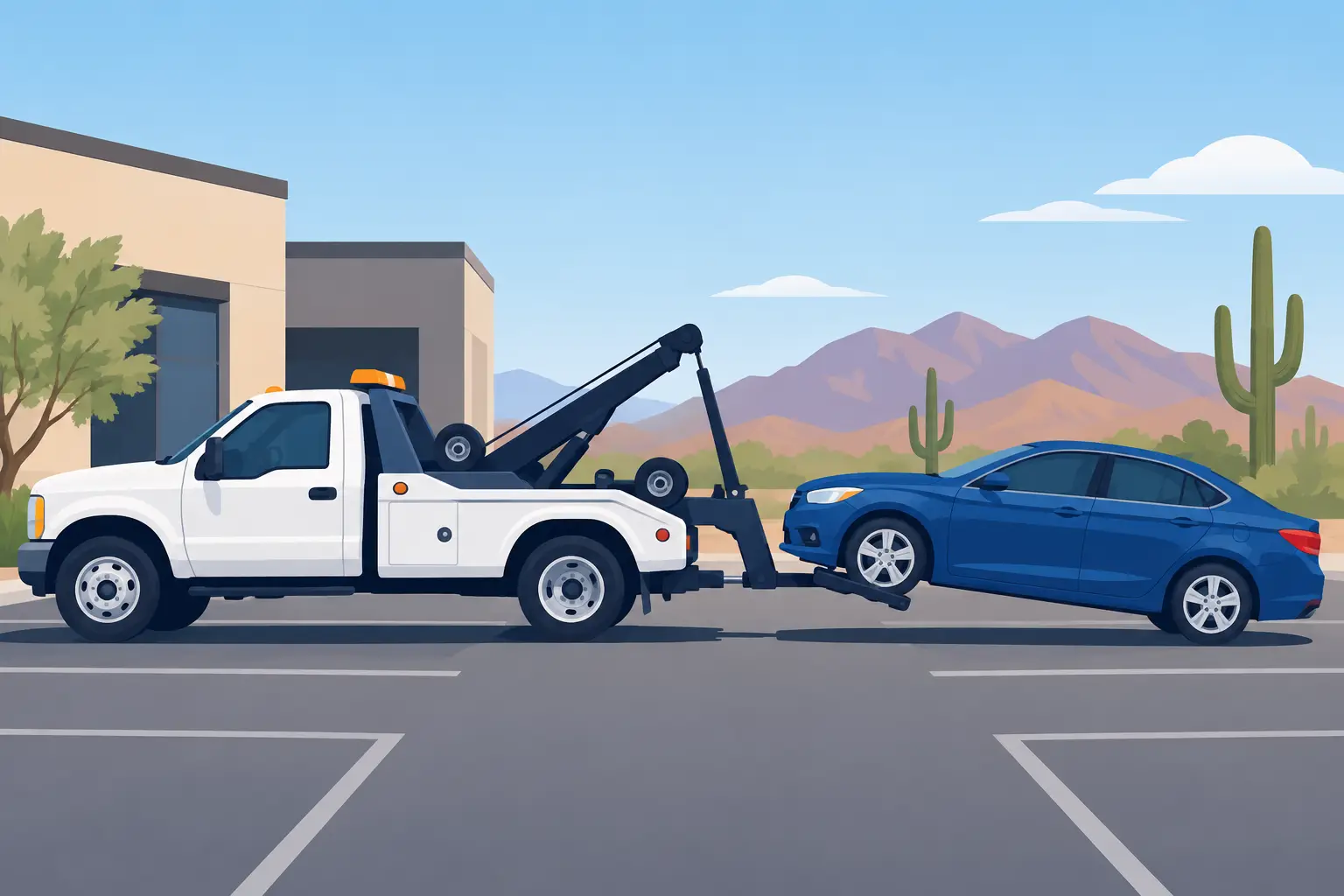
The tow operator should document the authorization and perform a walk-around before loading. Existing body damage, low ground clearance, flat tires, missing wheels, or a vehicle parked in a difficult position can change the safest recovery method. For a collector car, exotic vehicle, motorcycle, or low-profile vehicle, the right equipment matters. Flatbed loading, soft straps, wheel-lift attachments used correctly, and careful ramp angles help avoid avoidable damage.
The vehicle should then be transported to an authorized storage location or other destination designated by the lawful tow request. The company should maintain records showing where the vehicle was taken and how the owner can recover it. Charges should be communicated clearly. Storage fees can increase over time, so a driver who discovers a tow should act promptly rather than waiting several days.
Property owners should avoid asking a towing company to perform a risky or questionable removal simply because the vehicle is inconvenient. For example, a vehicle locked inside a gated community, wedged into a garage, or parked on unstable ground may require additional coordination. Safety, access, and potential damage must be considered before equipment is positioned.
What Drivers Should Do After a Private-Property Tow
First, confirm that the vehicle was towed and was not stolen. Check nearby towing signs, ask the property manager or business staff, and contact the listed towing provider. Have the vehicle’s make, model, color, license plate number, and vehicle identification information available if possible.
Ask where the vehicle is stored, what identification and ownership documents are needed, the current release amount, accepted payment methods, and the storage facility’s hours. If you believe the tow was improper, stay calm and gather facts. Take photos of the lot, signs, parking-space markings, permits, and any information that supports your position. Save lease documents, text messages, receipts, or other records related to your right to park there.
Do not attempt to remove your vehicle from a storage yard without authorization or confront the tow operator at the scene. That can create a safety issue and make resolution harder. If the vehicle contains medication, medical equipment, work tools, child-safety items, or other urgent personal property, explain that need to the storage facility and ask about the facility’s process for retrieving belongings.
If a driver disputes a tow, the right next step depends on the facts. It may involve speaking with the property manager, reviewing a lease or parking agreement, filing a complaint under the applicable local process, or seeking legal advice. This article provides general information, not legal advice, and local rules can change.
Preventing Towing Problems Before They Start
For property owners, consistency is the best protection. Use clear signs, keep parking maps and permits current, train staff on who can authorize removals, and document violations. Choose a towing provider that answers the phone, understands private-property procedures, and has the equipment to move vehicles without creating unnecessary damage.
For drivers, assume that a private lot has rules even if the lot appears open. Look for signs before leaving the vehicle, do not use marked resident or employee spaces, and get written permission when parking overnight at a business or apartment community. If your vehicle breaks down on private property, notify the manager and arrange service quickly.
When a vehicle must be removed from a West Valley property, the goal should be a safe, documented solution, not a confrontation. Pride Transport & Towing approaches private-property requests with the same care used for emergency towing and specialty transport: verify the request, assess the vehicle, use the right equipment, and move it professionally. Clear communication at the start can spare property owners and drivers a much harder day later.