A damage free vehicle transport guide starts before the tow truck arrives. Whether your vehicle has broken down on Loop 303, needs scheduled delivery across the Valley, or is a low-profile collector car headed to a shop, the details of loading and securement matter. A vehicle can arrive safely only when the owner and transport operator both understand its condition, clearance, drivetrain, and handling needs.
For a daily driver, that may mean making sure the steering is unlocked and personal items are removed. For a classic, exotic, motorcycle, or disabled vehicle, it can mean choosing flatbed transport, using soft straps, and planning the loading angle carefully. The right approach protects more than paint and body panels. It protects tires, suspension components, driveline parts, and your peace of mind.
Start With the Right Type of Transport
The safest transport method depends on the vehicle’s condition and design. A standard sedan with a mechanical problem may be towable with the proper equipment, but a vehicle with drivetrain damage, an all-wheel-drive system, very low ground clearance, or unknown collision damage often needs a flatbed.
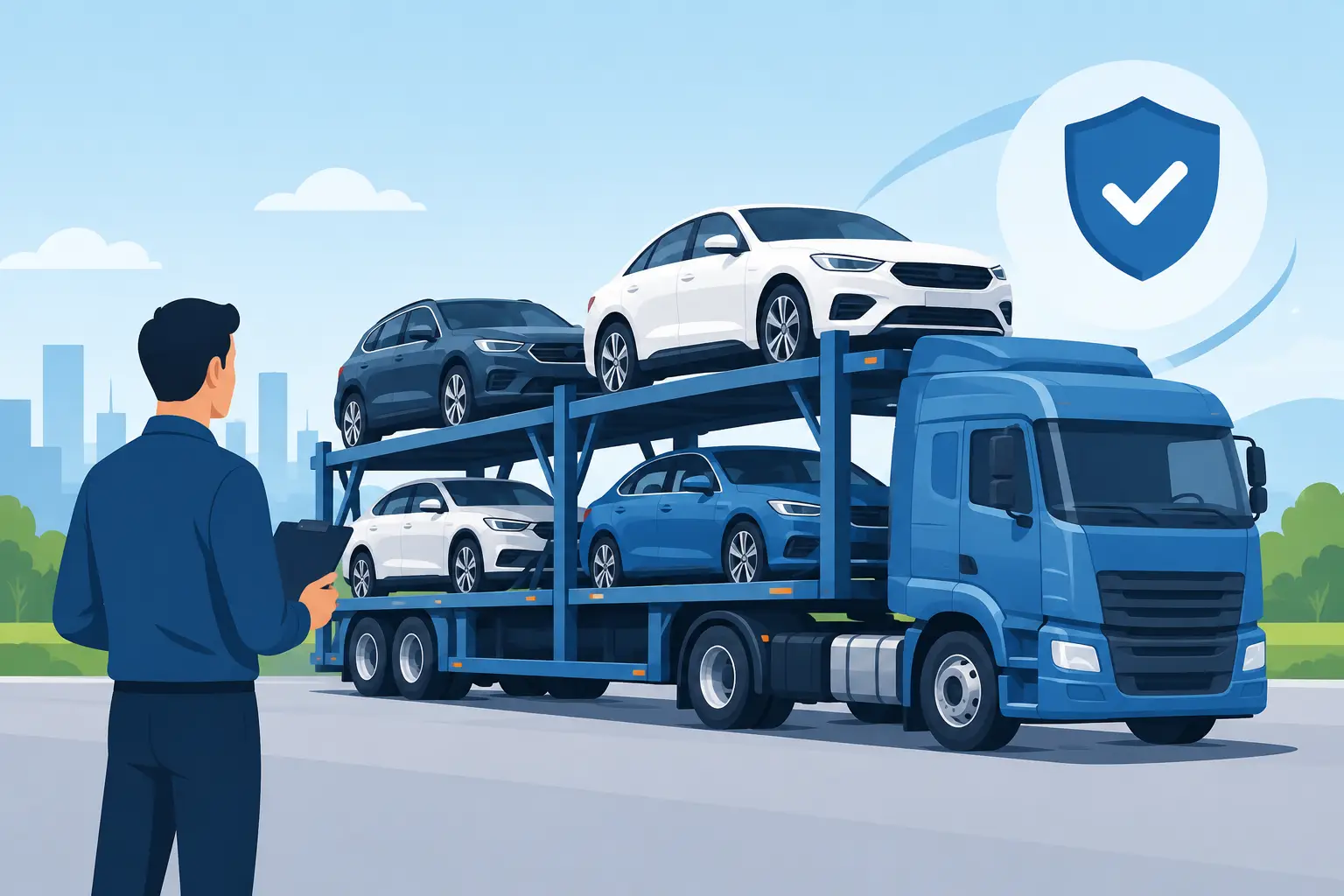
Flatbed transport keeps all four wheels off the pavement. That makes it the preferred option for many luxury, collector, exotic, and all-wheel-drive vehicles. It is also a smart choice after an accident, when a wheel, suspension arm, or tire may not be safe to roll. A flatbed is not automatically required for every vehicle, but it offers the most control when protecting a high-value or vulnerable vehicle is the priority.
Tell the dispatcher what you drive before the truck is sent. Include the year, make, model, whether it is lowered, whether it starts and rolls, and whether any wheel is damaged or locked. If it has an air suspension, aftermarket body kit, wide tires, a manual transmission, or custom modifications, say so. Those details help the operator arrive with equipment suited to the job instead of trying to solve an avoidable problem roadside.
Low Clearance Requires a Loading Plan
The most common risk for low-profile cars is contact at the front bumper, splitter, rocker panels, exhaust, or rear diffuser during loading. The issue is not simply getting the car onto a bed. It is controlling the angle from pavement to ramp.
An experienced operator may use longer ramp extensions, boards, a lowered bed angle, or a different positioning method to reduce the approach angle. The correct technique depends on the vehicle and the surface. A steep driveway, uneven shoulder, or sloped parking lot can create more risk than the vehicle itself.
Do not rush this stage. A few extra minutes spent setting up the load is far better than scraping a bumper or damaging an undercarriage component. If conditions are too tight for a safe load, the operator should explain the options rather than force the vehicle onto the equipment.
Prepare the Vehicle Before Transport
A quick condition check creates a clear starting point. Walk around the vehicle with the operator and point out existing scratches, dents, loose trim, cracked glass, or damaged wheels. Taking time-stamped photos on your phone is especially helpful for collector, luxury, and recently repaired vehicles.
Remove loose personal items from the cabin and trunk. Heavy tools, boxes, or unsecured parts can shift during transport. If you have a removable front lip, antenna, tonneau cover, or other delicate accessory, ask whether it should be removed or secured before loading.
Keep the keys available, and let the operator know about any alarm, battery disconnect, immobilizer, or special starting procedure. If the vehicle does not run, explain whether the transmission can be shifted into neutral and whether the parking brake releases. A car that cannot roll may need careful winching rather than normal drive-on loading.
For EVs and hybrids, disclose the vehicle type. These vehicles can have specific towing requirements, and improper towing can damage drive components. The operator needs to know whether the vehicle is in a collision-related shutdown condition, has an underbody impact, or displays a battery warning.
Securement Is Where Damage Prevention Happens
Once the vehicle is on the bed, proper securement keeps it stable without putting unnecessary stress on sensitive parts. The goal is to secure the vehicle through appropriate tire contact points whenever possible, rather than attaching straps or chains to suspension components, control arms, or painted body areas.
Soft straps are particularly valuable for vehicles with expensive wheels, delicate finishes, and specialty suspension. They help avoid metal-on-metal contact and reduce the chance of wheel damage when used correctly. Wheel straps should fit the tire and be positioned so they do not rub against brake lines, body panels, or exposed components.
A professional operator also checks tie-down tension after initial loading. Straps can settle once the vehicle is positioned, particularly when a truck moves from a level lot onto uneven streets or freeway ramps. The vehicle should be secure, but not cinched in a way that creates avoidable pressure on components.
Winching Should Be Controlled, Not Forced
A non-running car, collision vehicle, or off-road recovery often needs a winch. Winching is a normal part of vehicle recovery, but attachment points matter. Pulling from an improper point can damage a bumper cover, radiator support, steering component, or suspension part.
The operator should identify a suitable recovery point and use the right attachment method for the vehicle’s condition. Sometimes that requires additional rigging, dollies, or a slower repositioning process. If a vehicle is stuck in a ditch, loose desert terrain, or a parking garage with limited room, a straightforward pull may not be the safest answer.
Owners can help by being honest about what happened. Let the operator know if the vehicle slid off pavement, struck a curb, has a flat tire, or is resting on the undercarriage. This information changes the recovery plan and can prevent further damage.
Choose a Transport Company Based on Capability
Price matters, but the lowest quote is not always the lowest-risk choice. Ask what type of truck will be used, how the vehicle will be loaded, and whether the company handles vehicles like yours regularly. For specialty cars, motorcycles, off-road recoveries, and light equipment, experience with the specific situation matters as much as having a truck available.
A capable provider should be able to communicate clearly about flatbed availability, soft-strap handling, winching, and any limitations created by access or vehicle condition. For urgent situations on I-10, US-60, I-17, or busy West Valley streets, 24/7 dispatch and safe roadside positioning are also part of protecting the vehicle.
Look for operators who inspect the situation before acting. The right response to a damaged wheel may be different from the right response to a dead battery. A vehicle that is safe to load under its own power may need a different method than one with a locked steering wheel or compromised suspension.
Avoid Common Owner Mistakes
Damage prevention can be undermined by small assumptions. Do not tell a dispatcher that the vehicle is “just a tow” if it has low clearance, is all-wheel drive, or has collision damage. Do not attempt to drive a car onto a transport bed if it is overheating, has a broken suspension component, or has a warning that makes movement unsafe.
Avoid leaving valuables, documents, garage remotes, or irreplaceable personal property in the vehicle. Transport crews focus on moving the vehicle safely, not managing what is stored inside it. If you are not meeting the operator at the destination, confirm the delivery location, contact person, and where the keys should be left.
For scheduled moves, check the pickup and delivery areas ahead of time. Narrow residential streets, gated communities, soft dirt, tight alleys, and steep driveways can limit where a flatbed can safely position. Meeting nearby in a larger lot may be the best way to protect your vehicle and keep the job moving efficiently.
Damage-Free Transport Around the West Valley
Arizona heat, freeway traffic, desert shoulders, and long travel distances can turn a simple tow into a more technical job. A vehicle on the shoulder of Loop 303 needs fast, safe loading. A classic car being moved from Surprise to a specialty shop needs patience and correct securement. An off-road vehicle pulled from sand or a wash needs a recovery plan that accounts for both the vehicle and the terrain.
Pride Transport & Towing approaches each transport with the equipment and handling method the situation calls for, including flatbed-capable service and soft-strap care for vehicles that need extra protection. The most helpful step you can take is to provide accurate details when you call. That gives the operator a better plan before arrival and gives your vehicle the careful handling it deserves.
When transport is handled deliberately from the first phone call through final unloading, your vehicle is not simply moved from point A to point B. It is treated as an asset worth protecting.