A damaged vehicle is stressful enough. Finding new damage after it has been loaded onto a tow truck raises an immediate question: who is responsible? Towing damage liability depends on what caused the damage, what condition the vehicle was in before service began, and whether the towing company used reasonable care during loading, transport, recovery, and unloading.
For drivers across Surprise, the West Valley, and Metro Phoenix, the best response is not to argue at the roadside. Document the vehicle, keep the paperwork, and report concerns promptly. A reputable operator should take the issue seriously, inspect the facts, and explain the next step.
When Is a Towing Company Liable for Damage?
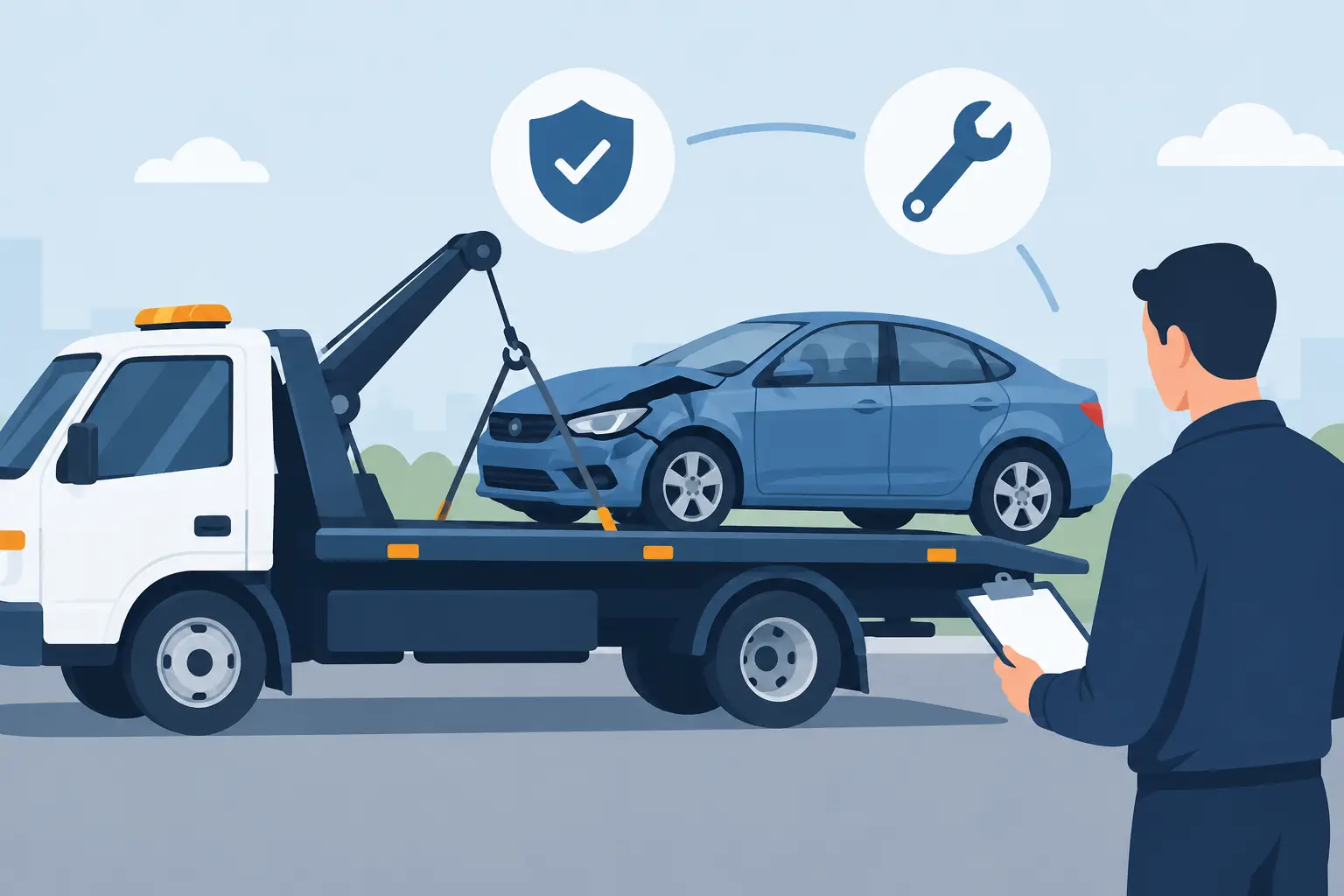
A towing company can be responsible when damage resulted from its actions or from unsafe handling. Examples may include improper securement, contact with towing equipment, loading a low-clearance vehicle at an unsafe angle, dragging a vehicle that should have been lifted, or failing to use the right recovery method for the situation.
Liability is not automatic just because a vehicle has damage when it reaches the destination. Cars involved in collisions, off-road recoveries, breakdowns, and impounds often already have mechanical or body damage. A vehicle with a locked wheel, broken suspension, flat tire, missing bumper, or damaged steering system may be difficult to move without additional risk. The key question is whether the towing process caused new damage or made existing damage worse through preventable mistakes.
This is why the details matter. A flatbed tow may be the right choice for an all-wheel-drive vehicle, a classic car, an exotic vehicle, or a vehicle with severe collision damage. In another situation, wheel-lift towing may be appropriate and safe. The proper method depends on the vehicle’s condition, drivetrain, ground clearance, location, and access to the recovery area.
Towing Damage Liability Starts With Proof
The strongest towing damage claim is supported by clear, timely documentation. If you are safe to do so, take photos or video of your vehicle before it is loaded. Capture all sides of the vehicle, wheels, bumpers, rocker panels, windshield, roof, and any existing collision damage. A quick walk-around can make a major difference later.
If you call after a breakdown or collision, tell the dispatcher about anything that affects loading. Mention a lowered suspension, all-wheel drive, locked wheels, a damaged axle, a dead battery, unusual ground clearance, or a vehicle that cannot be shifted into neutral. Owners of collector cars, motorcycles, luxury vehicles, and low-profile vehicles should be especially direct about handling requirements.
After delivery, inspect the vehicle before the tow truck leaves when possible. Look closely at the areas where straps, wheel lifts, ramps, and winch lines were used. If you see fresh damage, photograph it from several angles, including wider photos that show its location on the vehicle. Note the date, time, location, truck number if visible, operator name, destination, and any witnesses.
Do not rely only on a verbal conversation. Keep your tow receipt, dispatch text messages, condition report, repair estimates, and all photographs. If the vehicle was towed after a crash, retain accident-scene photos as well. They can help separate pre-existing collision damage from a concern related to transport.
Damage That Can Be Harder to Identify
Not every concern is obvious at pickup. Scratches, dented rocker panels, cracked air dams, and wheel damage may be visible right away. Mechanical concerns can take longer to surface, especially if the vehicle was inoperable before the tow.
If you believe a tow caused a mechanical problem, have a qualified repair facility inspect the vehicle before authorizing unnecessary repairs. Ask for written findings that identify the damaged component, likely cause, and whether the issue appears consistent with towing or loading. A clear professional assessment is more useful than assumptions on either side.
What to Do If You Believe Your Vehicle Was Damaged
Start by notifying the towing company as soon as possible. Keep the conversation factual: explain what you found, where it is located, when you noticed it, and what documentation you have. Ask how to submit photos and a written claim.
Avoid repairing or discarding damaged parts before the company or its insurer has had a reasonable opportunity to inspect them, unless the repair is necessary to prevent further loss or make the vehicle safe. If immediate repair is necessary, document the condition thoroughly and retain invoices and parts when practical.
A professional towing provider should review its records, speak with the operator, evaluate photographs, and determine whether an insurance claim or other resolution is appropriate. If you have collision or comprehensive coverage, you can also contact your own insurer to ask whether your policy may help. Your insurer may investigate and pursue reimbursement from another responsible party if the facts support it.
Arizona claims can involve more than one insurance policy, particularly after a crash. Your own coverage, the at-fault driver’s coverage, a repair shop’s coverage, or a towing company’s commercial policy may each be relevant depending on the event. Because coverage and fault are case-specific, insurance representatives or a qualified attorney can explain options for a particular loss. This article is general information, not legal advice.
How Proper Towing Practices Reduce Risk
Damage-conscious towing is not just about having a truck available. It is about matching the equipment and technique to the vehicle and the scene.
For a vehicle that rolls freely and has no unusual clearance concerns, loading may be straightforward. For a vehicle with a broken wheel, collision damage, an electronic parking brake, a dead battery, or locked steering, the job requires more planning. Skates, dollies, winching techniques, extended ramps, and careful positioning may be needed to avoid forcing the vehicle or scraping its bodywork.
Soft straps are a key protection measure for many vehicles because they secure the tires rather than placing hooks or chains against vulnerable suspension or body components. Flatbed-capable equipment also helps keep all four wheels off the ground, which is especially valuable for all-wheel-drive vehicles, many performance cars, classic vehicles, and cars with low front ends.
Off-road recovery adds another layer of risk. Sand, loose gravel, washes, ditches, and uneven desert terrain can place unusual loads on a vehicle. The operator must assess recovery points, line angle, traction, slope, and whether the vehicle can be safely winched without creating more damage. Fast service matters, but rushing a recovery can turn a manageable situation into a larger repair bill.
Questions to Ask Before You Authorize a Tow
During an emergency, you may not have time for a long interview. Still, a few direct questions can help you choose a provider that is prepared for the job. Ask whether the company can send a flatbed if your vehicle requires one, whether it handles low-profile or specialty vehicles, and whether the dispatcher has noted your vehicle’s condition.
For a recovery, ask whether the operator has the equipment needed for the terrain and vehicle position. For equipment hauling, provide the machine’s approximate weight, dimensions, whether it runs, and whether it can be loaded under its own power. Accurate information allows the dispatcher to send the right truck instead of asking an operator to improvise on arrival.
Pride Transport & Towing uses flatbed-capable equipment and soft-strap handling practices for vehicles that need added protection. That approach is particularly useful when moving collector vehicles, motorcycles, luxury cars, low-clearance vehicles, and damaged vehicles that require careful loading.
A Careful Tow Is the Best First Protection
No towing company can erase damage that happened in a collision, mechanical failure, or off-road incident before it arrives. What a capable operator can do is identify the risks, use appropriate equipment, secure the vehicle correctly, and communicate clearly about its condition.
Before the truck leaves, take the photos, share the details that matter, and ask for the handling method your vehicle needs. Those few minutes of preparation can protect your vehicle and make any towing damage liability question far easier to resolve fairly.